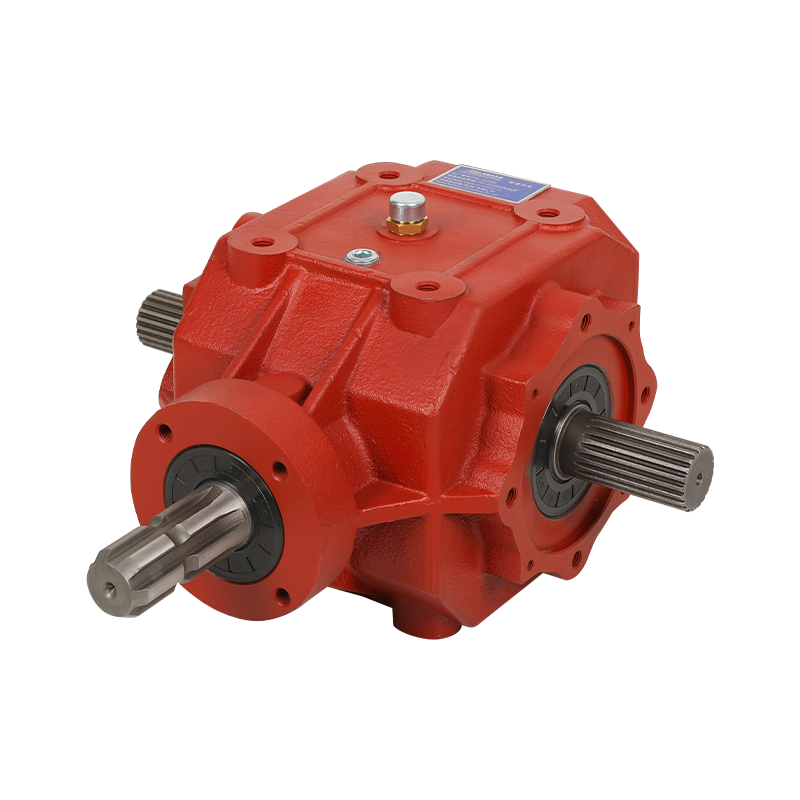
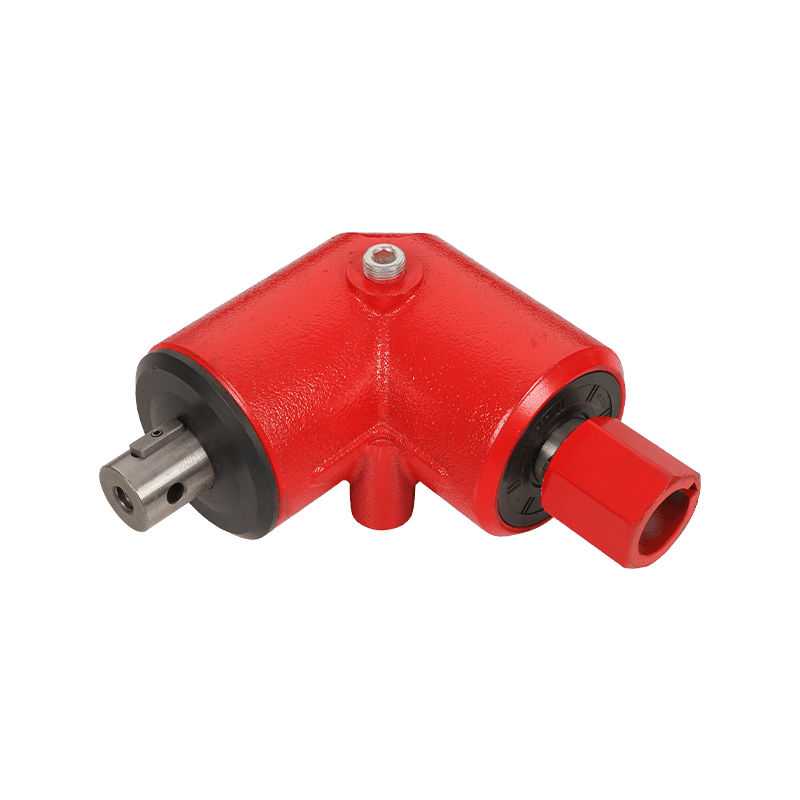
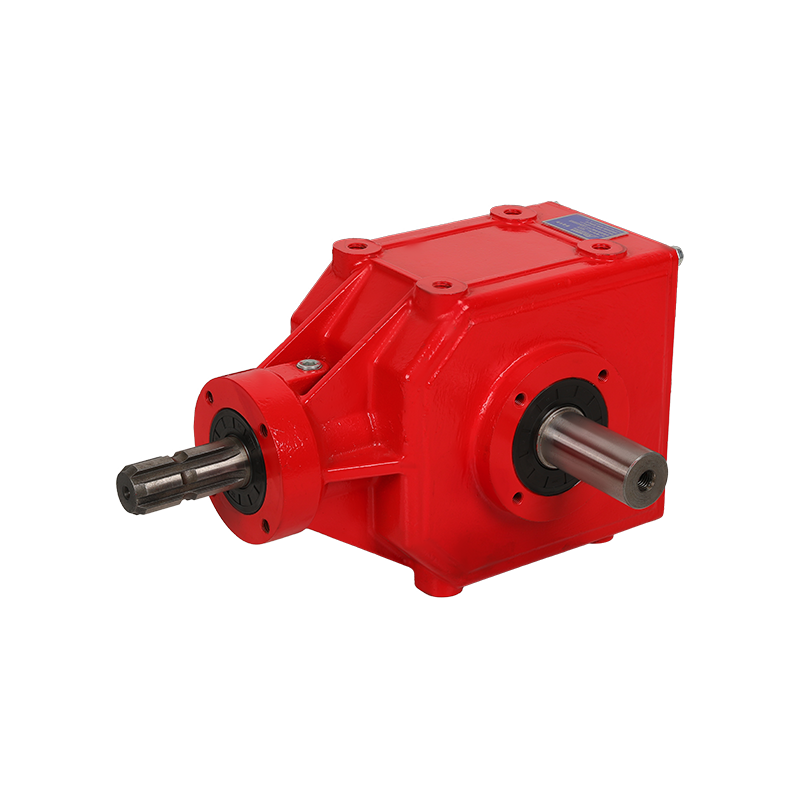
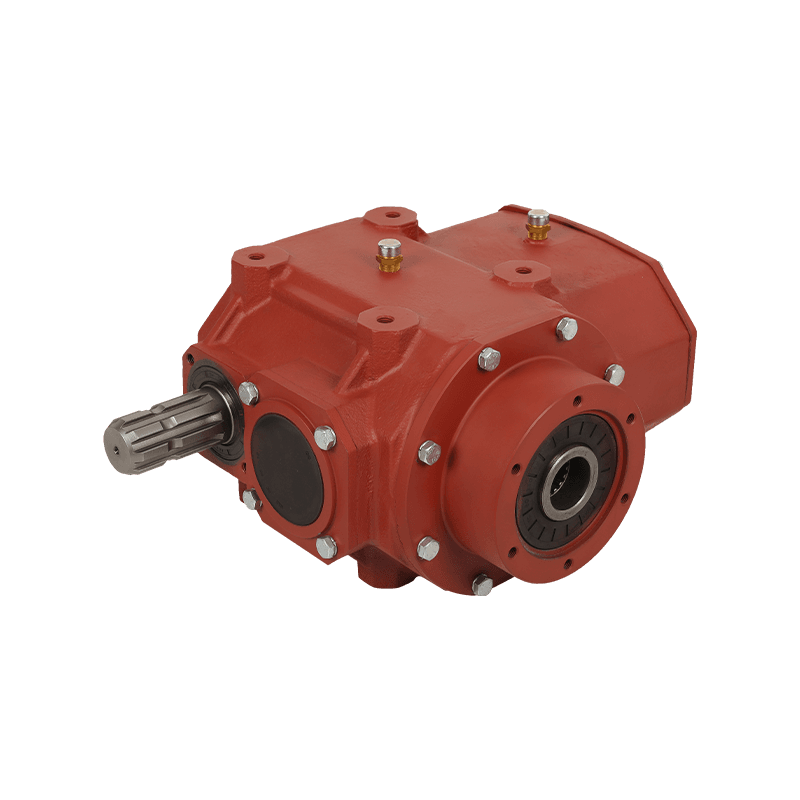
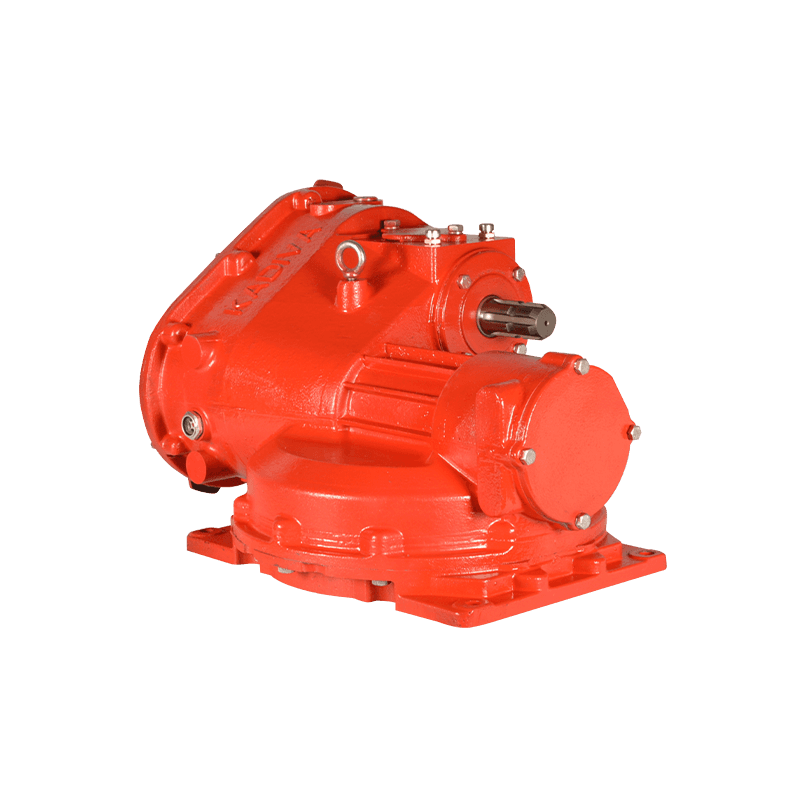
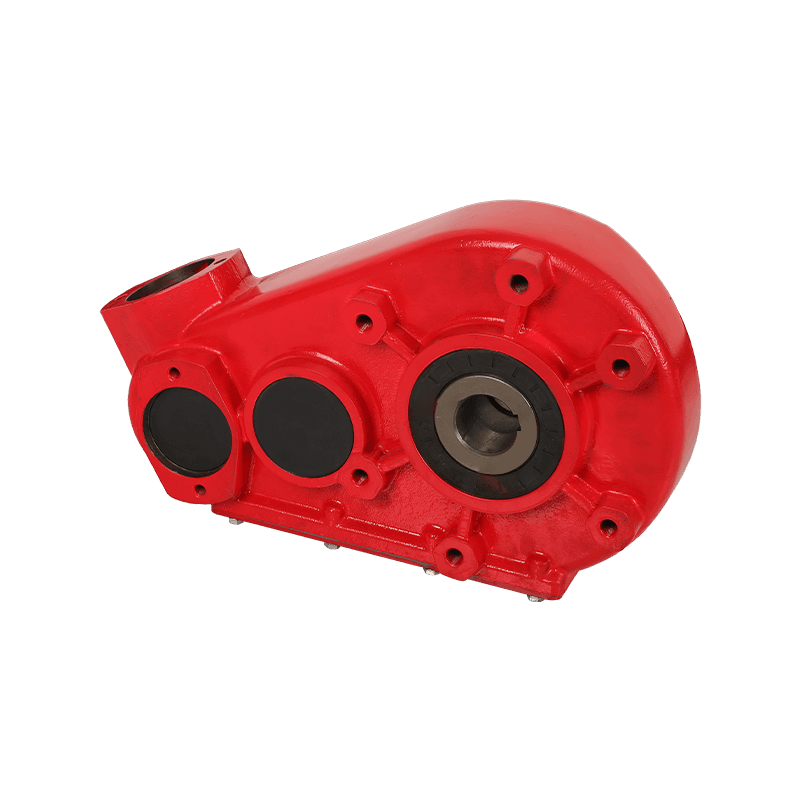
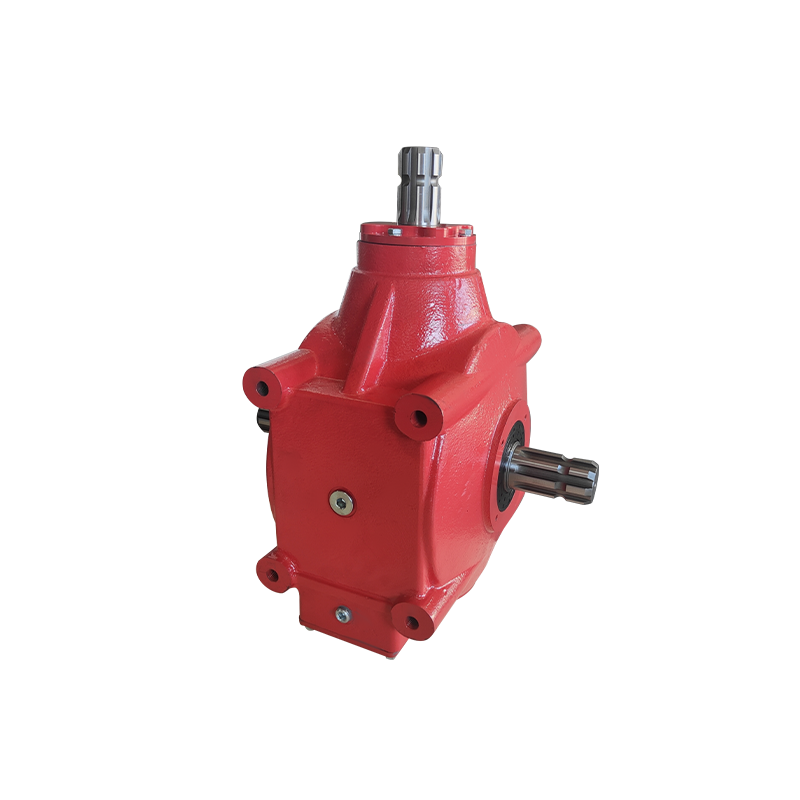
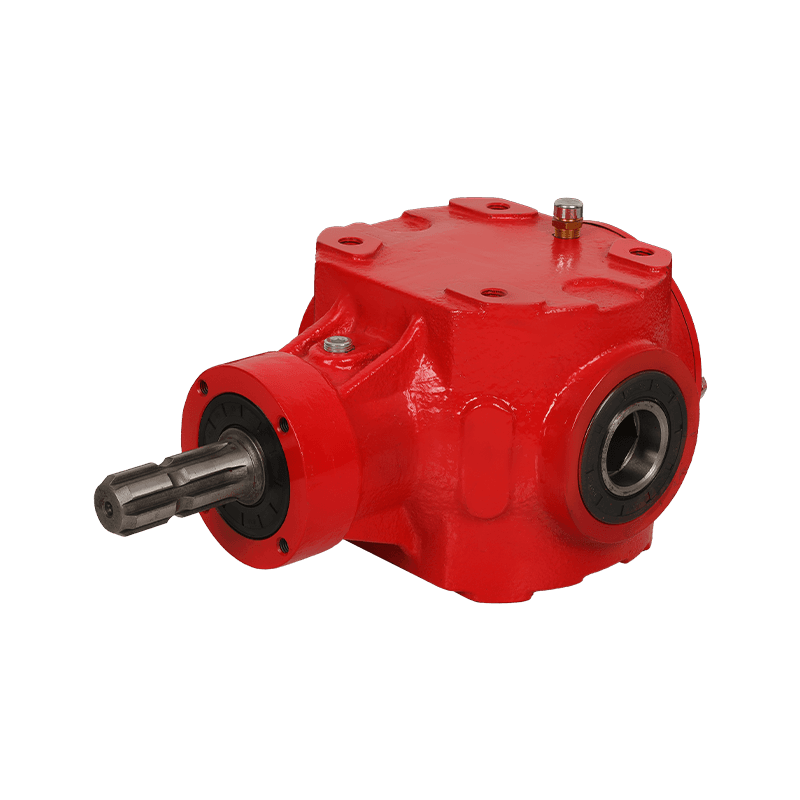
Corrosion is a persistent challenge for any mechanical system exposed to moisture, contaminants, and long working hours. Within this category, the Grader Driven Rake Gear Box occupies a unique position. It operates in environments where soil, debris, and varying weather conditions are unavoidable, making corrosion prevention an essential element of long-term gear box care. A corroded gear box not only loses efficiency but can also suffer premature wear, unexpected downtime, and costly repairs. Understanding how corrosion occurs and what practical measures can be taken to prevent it allows operators and maintenance teams to preserve both performance and equipment life.
1. Understanding Why Corrosion Happens
Before exploring prevention, it is helpful to understand why corrosion forms in the first place. Corrosion is a chemical or electrochemical reaction between metal surfaces and elements such as oxygen, water, salts, and acidic or alkaline contaminants. For a Grader Driven Rake Gear Box, several conditions can intensify this reaction:
Moisture Exposure
Grading and raking equipment often operate in damp soil or areas with frequent rainfall. Over time, moisture can infiltrate seals or accumulate around exterior gear box surfaces.
Dirt and Chemical Contamination
Soil can contain minerals, fertilizer residues, or other corrosive compounds. When these particles adhere to metal surfaces or enter the gear box housing, they create corrosion hotspots.
Temperature Fluctuations
Sudden environmental changes—such as moving from hot daytime temperatures to cool nights—can cause condensation to form inside the housing, increasing internal moisture.
Lubrication Degradation
Old, contaminated, or insufficient oil loses its protective properties, allowing metal-to-metal contact and accelerating oxidation.
By identifying these causes, operators can take targeted steps to reduce the factors that contribute most to corrosion.
2. Use High-Quality Protective Lubrication
Lubrication is the first and most important defense against corrosion. Inside a Grader Driven Rake Gear Box, oil coats gear teeth, bearings, and shafts, reducing friction and limiting contact with oxygen and moisture.
Choose the Right Oil Type
Different gear boxes may require specific oil viscosities or additive packages. Many oils designed for gear systems include anti-corrosion and anti-oxidation additives. Using an unsuitable lubricant increases the risks of rust, wear, and overheating.
Maintain Proper Lubrication Levels
Low oil levels expose more metal surface area to air and contaminants. Regular inspection ensures the gear box remains fully protected.
Follow Oil Change Intervals
Gear oil eventually breaks down due to heat, pressure, and contamination. Sticking to the manufacturer’s recommended oil change schedule helps maintain corrosion resistance. If equipment operates in unusually wet, dusty, or corrosive environments, reducing the interval may be beneficial.
3. Ensure Proper Gear Box Sealing
Moisture intrusion is one of the most common causes of internal corrosion. Although a Grader Driven Rake Gear Box includes seals designed to keep contaminants out, these seals can degrade over time.
Inspect Seals Regularly
Look for cracks, hardening, or excessive wear on shaft seals and gasketed surfaces. Even small imperfections can allow water or dirt to enter the housing.
Replace Damaged Seals Immediately
Delaying seal replacement can transform a minor leak into a major corrosion issue. Fortunately, seals are generally inexpensive and changing them often prevents more costly repairs later.
Verify Proper Installation
When installing or reassembling the gear box, ensuring that seals fit correctly and that mating surfaces are clean prevents future infiltration problems.
4. Keep the Gear Box Clean
Though external cleaning may seem simple, it plays a major role in corrosion prevention. Dirt buildup traps moisture against metal surfaces, creating a micro-environment that accelerates corrosion.
External Cleaning Practices
- Remove soil, vegetation, and debris after each work shift.
- Avoid using highly pressurized water directly on seals or vents.
- Use mild cleaning solutions that will not strip protective coatings.
Internal Cleaning During Maintenance
When performing internal inspections, remove sludge or metallic particles. These contaminants encourage oxidation and chemical reactions that damage internal components.
By maintaining both internal and external cleanliness, you reduce the number of corrosive agents that can access the gear box.
5. Improve Storage Conditions
Even the best-maintained gear box can corrode if stored improperly. Equipment that remains inactive for long periods is especially vulnerable.
Indoor vs. Outdoor Storage
Storing a Grader Driven Rake Gear Box indoors dramatically reduces exposure to humidity, rainfall, and temperature swings. If indoor storage is not possible, covering the machinery with a breathable, water-resistant tarp is helpful.
Avoid Direct Ground Contact
Placing the equipment directly on moist soil or concrete encourages condensation. Elevating it or using wooden blocks can prevent moisture migration.
Apply Protective Coatings for Long-Term Storage
Spraying external surfaces with rust inhibitors or applying a light film of protective oil helps create a long-lasting barrier.
For extended storage, some technicians add vapor-phase corrosion inhibitors (VCI) inside the housing to protect internal components.
6. Monitor Breather Vents
Many gear boxes include breather vents that allow air to expand and contract as internal temperatures change. These vents prevent pressure buildup, but they can also admit moisture if they become clogged or damaged.
Clean Vents Regularly
Dirt or sediment can block vent openings, causing internal pressure imbalances that pull moisture inward.
Use Desiccant Breathers
If humidity is a persistent issue, installing a desiccant-type breather can help absorb moisture from incoming air.
Inspect Vent Location
Ensure the vent is placed away from areas where water sprays or splashes frequently occur.
Properly maintained vents help regulate internal conditions and prevent moisture-induced corrosion.
7. Apply Corrosion-Resistant Surface Treatments
Protective coatings provide a direct barrier between metal and corrosive elements.
Paint and Powder Coatings
External housing surfaces can be painted or powder-coated to improve moisture resistance.
Zinc or Nickel Plating
These coating methods offer electrochemical protection by slowing oxidation on exposed surfaces.
Anti-Corrosion Grease
Applying a thin layer of corrosion-prevention grease on fasteners, mounts, and exposed edges helps protect small but vulnerable areas.
These treatments are especially useful for machines operating in coastal regions or highly abrasive soil.
8. Conduct Regular Inspections and Preventive Maintenance
Routine inspections help catch corrosion before it grows.
What to Look For
- Rust residue around seals or bolt heads
- Unusual oil discoloration (milky oil indicates moisture ingress)
- Surface pitting or flaking
- Reduced efficiency or abnormal noise
Set a Maintenance Schedule
Whether the equipment operates daily or occasionally, establishing a structured checklist ensures consistency. Many operators benefit from monthly visual inspections and comprehensive quarterly evaluations.
Document All Findings
Keeping maintenance logs allows operators to spot patterns—such as repeated moisture intrusion—that may require design adjustments or improved practices.
9. Operate the Gear Box Within Recommended Conditions
Exceeding load or speed limits stresses the gear box and can cause overheating, which accelerates oil degradation. When lubrication deteriorates, corrosion becomes far more likely.
Avoid Overloading
Ensure that the grader and rake system do not exceed the torque capacity of the gear box.
Warm Up Equipment in Cold Conditions
Cold temperatures thicken lubrication, reducing protective coverage. Allowing a warm-up period improves oil circulation.
Follow Manufacturer Guidelines
Operating within recommended parameters maintains lubrication performance and reduces corrosion risk.
Conclusion
Preventing corrosion in a Grader Driven Rake Gear Box is not simply a matter of cleaning or replacing parts when issues arise. Instead, it involves adopting a comprehensive approach that includes proper lubrication, effective sealing, regular inspection, controlled storage, and environmentally aware operation. Because gear boxes operate in harsh and unpredictable conditions, small preventive measures often make the largest difference over time.
By incorporating the best practices outlined above, operators can significantly reduce corrosion-related failures, extend the gear box’s operational life, and maintain reliable performance without unnecessary downtime. In the long run, such careful maintenance translates into smoother operations, lower repair costs, and greater confidence in equipment readiness—practical benefits for anyone working with raking or grading machinery.




 English
 中文简体
中文简体 عربى
عربى русский
 Español