
Views: 0 Author: Site Editor Publish Time: 2026-03-11 Origin: Site


As the core of power transmission, the gearbox is fueling industry innovation via high-precision and intelligent design across wind power, rail transit and other fields. With integrated sensors for predictive maintenance and modular design for multi-scenario adaptation, it is set to become more efficient and intelligent in the future.
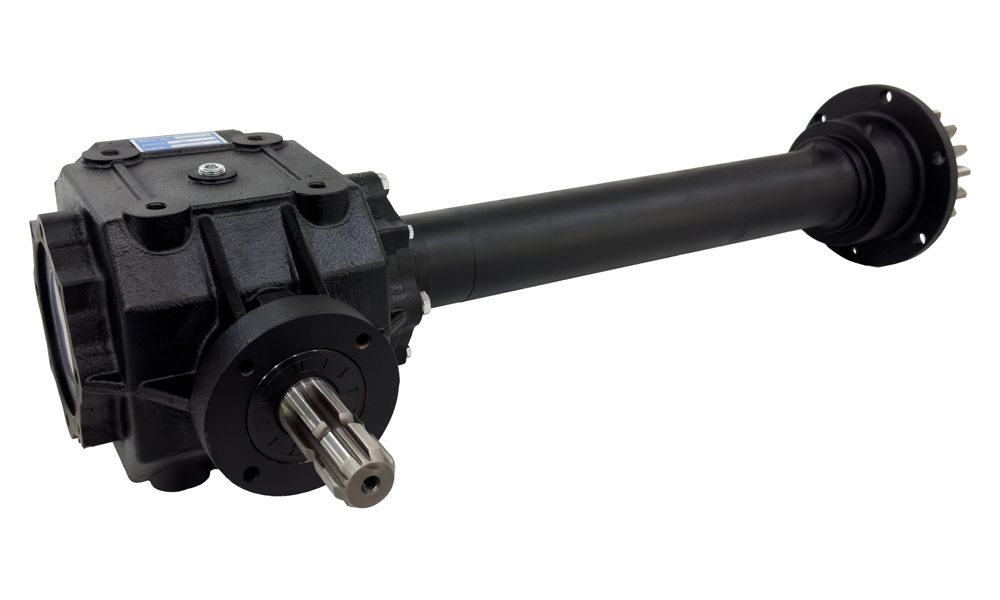
A gearbox is a key mechanical transmission device that converts the rotational speed and torque output by a power source (such as an electric motor or engine). It is widely used in wind power generation, engineering machinery, shipping, rail transit, industrial automation and other fields. Its core function is to realize speed regulation and power transmission through the meshing of gear pairs, ensuring the efficient and stable operation of equipment under different working conditions. As a core component of precision transmission systems, the performance of a gearbox directly affects the reliability and energy efficiency of the entire mechanical system.
In practical applications, technological innovations in gearboxes have significantly improved the overall performance of equipment. For example, in the wind power generation sector, wind turbine gearboxes with high reliability, low noise and long service life have become mainstream demands, and their design must address the challenges of extreme climates and continuous operation; in rail transit, lightweight gearboxes with high power density help improve train operation efficiency and energy-saving performance. In addition, with the development of intelligent manufacturing, gearboxes are gradually integrated with sensors and condition monitoring systems to enable predictive maintenance and reduce operation and maintenance costs.
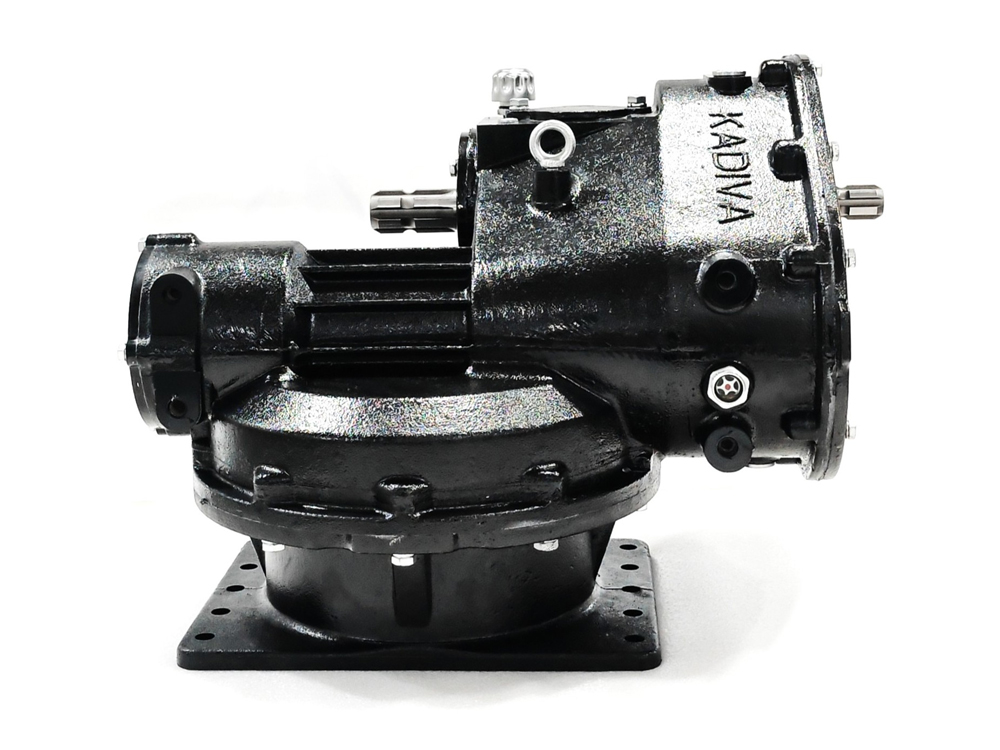
In terms of technical characteristics, modern gearboxes are evolving towards high precision, high load capacity, low noise and intelligence. The adoption of advanced finite element analysis and optimal design has improved the contact strength and fatigue life of gears; precision manufacturing processes such as carburizing and quenching, and gear grinding ensure the tooth surface precision and wear resistance of gears. Meanwhile, new lubrication technologies and sealing structures effectively extend the service life. In addition, the introduction of the modular design concept makes gearboxes more adaptable to different application scenarios and shortens the R&D cycle.
From the perspective of development prospects, with the global emphasis on energy efficiency and sustainable development, gearbox technology will continue to be upgraded. In the new energy field, the demand for high-power, corrosion-resistant gearboxes for offshore wind power is growing steadily; in the fields of industrial automation and robotics, high-precision, miniaturized gearboxes have become key supporting components. At the same time, the integration of digital and intelligent technologies will drive gearboxes to develop towards the integration of "perception-analysis-decision-making", further improving the operational efficiency and safety of systems.
In general, as a core component of power transmission, technological innovations in gearboxes are profoundly influencing the development of multiple high-end manufacturing fields. Through the coordinated progress of materials science, precision manufacturing and intelligent control, gearboxes have not only raised the performance limits of traditional equipment, but also provided solid support for the rise of emerging industries. In the future, continuous technological iteration and cross-field integration will drive the gearbox industry into a more efficient and intelligent new stage.