
Views: 0 Author: Site Editor Publish Time: 2026-07-24 Origin: Site


Equipment downtime during narrow harvesting windows inevitably results in severe revenue loss. Farmers operate under extreme weather pressures where every hour lost directly reduces crop yield quality and profitability. At the very center of this demanding operation sits the Baler gearbox. It acts as a critical mechanical bridge and a dangerous single point of failure. A failing unit disrupts vital power flow from your tractor, quickly turning a highly productive afternoon into a frustrating mechanical nightmare.
This article transitions you from simply understanding basic mechanical operations to actively applying that knowledge in the field. You will learn exactly how to evaluate replacement units, avoid premature field failures, and ultimately maximize your essential equipment uptime. We will thoroughly explore power transmission mechanics and component-level quality indicators. We will also dissect repair-versus-replacement logic and strict procurement evaluation criteria. This comprehensive guide helps you protect your agricultural investments and ensures your harvesting operations run seamlessly from the first acre to the last.
A baler gearbox translates high-speed PTO (Power Take-Off) input into the low-speed, high-torque output required to compress crop material.
Internal component quality—specifically gear forging, bearing ratings, and seal integrity—dictates the operational lifespan under heavy agricultural loads.
Diagnosing early warning signs (vibration, heat, input shaft play) is critical for deciding between a rebuild kit and a full gearbox replacement.
When procuring a replacement baler gearbox, exact-fit dimensions, horsepower (HP) ratings, and gear ratio matching are non-negotiable success criteria.
The primary operational objective of this component involves bridging a massive power gap. It effectively connects the tractor's Power Take-Off (PTO) output to the baler’s mechanical driving elements. Most modern agricultural tractors supply raw rotational power at either 540 or 1000 RPM. However, the internal mechanisms of a baler operate at vastly different speeds. The gear system actively translates this high-speed input into actionable mechanical force.
It achieves this feat through precise torque multiplication. A complex reduction process systematically decreases the rotational speed. As the rotational speed drops, the output torque increases exponentially. This massive torque generation is absolutely necessary for achieving dense, tight bale compaction. Without adequate torque, you simply cannot compress loose, dry hay into dense, weather-resistant bales. The gear sets handle extreme physical forces to make this power transfer possible.
Different field applications require completely specific mechanical solutions. Round balers demand incredibly consistent rotational power. Their drive units focus entirely on maintaining steady, unrelenting force. They drive heavy rubber belts and steel rollers smoothly as the internal bale diameter grows and material resistance increases.
Conversely, square balers handle severe, repetitive reciprocating shock loads. The heavy plunger strokes create violent impacts hundreds of times per minute. These machines require massive steel flywheels and exceptionally sturdy gear sets. The internal shafts and bearings must constantly absorb and redirect this kinetic abuse without shattering.
Understanding these distinct operational differences holds immense decision value for operators. Buyers must strictly recognize these mechanical realities when sourcing parts. If you unknowingly under-spec a replacement unit for high-impact applications, catastrophic mechanical failure becomes inevitable.
Every single internal part directly impacts your overall field reliability. We can accurately evaluate a drive unit by examining its specific component breakdown. Superior materials always yield superior field outcomes.
Bevel Gears and Pinions: The most essential feature here is forged, heat-treated steel construction. Many budget manufacturers often use inferior cast alternatives to cut production costs. Forged steel provides vastly superior grain structure and excellent resistance to sudden tooth shearing. This exceptional strength prevents catastrophic gear breakage during unexpectedly heavy crop intake or sudden foreign object strikes in the field.
Bearings (Tapered Roller vs. Ball): You must specify high-load capacity tapered roller bearings over standard ball bearings on the main output shaft. Tapered designs easily handle both heavy radial and thrust loads simultaneously. They actively prevent dangerous shaft deflection when extreme belt tension or plunger impact applies sideways force. Standard ball bearings quickly disintegrate under these multidirectional agricultural loads.
Seals and Gaskets: Modern industrial units feature multi-lip, high-temperature oil seals. These advanced seals deliver a vital two-fold outcome. First, they strictly prevent abrasive field dust and crop chaff from entering the internal housing. Second, they keep essential gear oil completely contained around the moving metal parts. This dual action drastically reduces internal friction wear and extends operational life.
Input and Output Shafts: High-quality drive shafts feature heavily standardized spline counts. You will typically encounter robust 1-3/8" 6-spline configurations. They often integrate engineered shear pin mechanisms or adjustable slip clutches. This standardized engineering ensures completely seamless PTO hookup. More importantly, it provides vital mechanical safety fuses to prevent catastrophic tractor driveline damage.
Component Feature and Operational Outcome Mapping
Internal Component | Critical Design Feature | Primary Operational Outcome |
|---|---|---|
Bevel Gears | Forged and heat-treated alloy steel | Effectively resists tooth shearing under heavy impact loads |
Output Bearings | Heavy-duty tapered roller design | Prevents lateral shaft deflection under high operational tension |
Housing Seals | Multi-lip, high-temperature elastomer | Blocks abrasive dust ingress while retaining critical lubrication |
Drive Shafts | Standardized splines and safety pins | Prevents severe damage transferring to the tractor PTO |
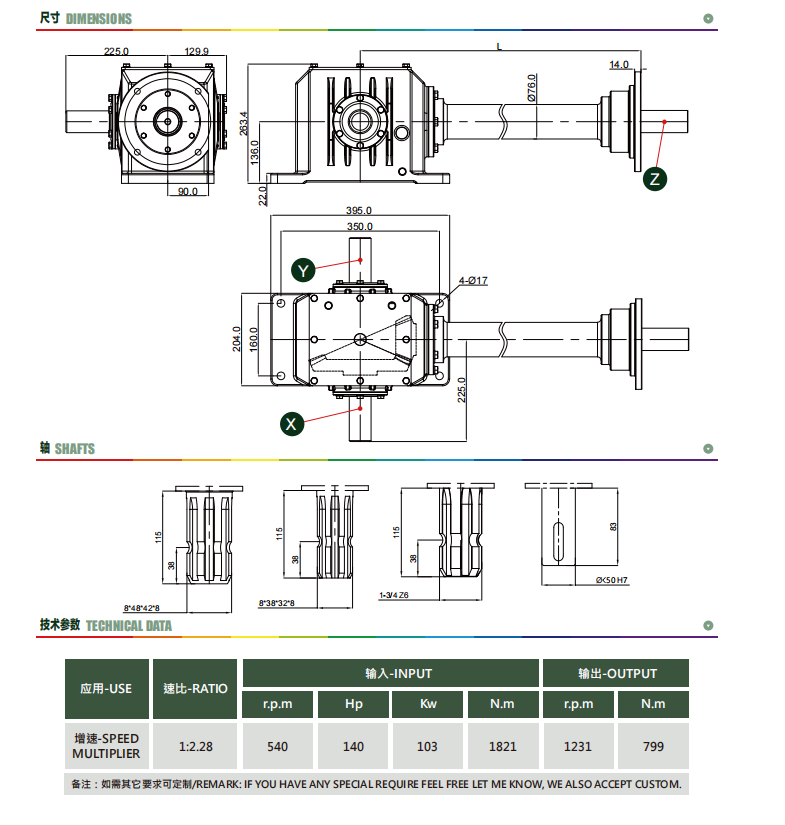
Implementation realities dictate highly proactive maintenance strategies. Operating any agricultural machinery using a compromised drive unit carries immense financial and safety risks. A failing Baler gearbox easily leads to sudden, catastrophic housing failure. Worse, it can transfer massive kinetic shock backward, causing expensive secondary damage directly to your tractor's main PTO driveline. Early, accurate diagnosis actively prevents these compounding mechanical disasters.
Operators must actively monitor specific evaluation triggers during daily inspections. Watch closely for these common early warning signs:
Excessive rotational backlash or noticeable "slop" when twisting the input shaft manually.
Overheating cast-iron housings after short use, which strongly indicates active bearing failure or dangerously low fluid lubrication.
Uncharacteristic high-pitched whining or harsh grinding noises occurring specifically under heavy crop intake loads.
Visible metallic shavings or glittering flakes suspended in the gear oil during routine dipstick fluid checks.
Once you identify concrete symptoms, you must apply strict shortlisting logic for immediate action. Rebuilding remains highly viable under specific, isolated conditions. You should attempt a rebuild when dealing solely with minor seal leaks. If the internal bearings remain easily accessible and all gear teeth show zero pitting or chipping, a basic rebuild kit saves money.
However, complete replacement becomes mandatory in severe failure scenarios. You must discard and replace the entire unit if you discover a cracked cast-iron housing. Sheared input shafts, twisted splines, or severely stripped ring gears also demand immediate full replacement. Finally, you must replace the unit entirely when your projected downtime revenue losses vastly exceed the retail price of a brand-new assembly. Time is often your most expensive commodity during harvest.
Selecting a brand-new drive unit requires rigorous technical verification. You must never guess on critical engineering specifications.
First, strictly verify the continuous Horsepower (HP) rating. The new unit must confidently meet or exceed your specific tractor's maximum PTO output. Overloading an under-rated mechanical unit guarantees rapid, explosive destruction in the field. Next, carefully confirm exact internal gear ratios. You will typically encounter standard ratios like 1:1, 1:1.25, or sometimes higher reductions. Exact mathematical matching is absolutely required. It ensures machine timing, pickup reel speeds, and overall compaction mechanisms remain perfectly aligned with strict OEM specifications. Finally, physically verify all shaft configurations. Check carefully for clockwise versus counter-clockwise rotation requirements. Measure the exact output shaft length accurately and confirm fully matching spline profiles.
Quality and compliance indicators establish long-term mechanical trustworthiness. Look actively for verified AGMA (American Gear Manufacturers Association) or ISO compliance certifications. These strict global standards verify tight gear manufacturing tolerances and excellent material hardening. You should also deeply assess the provided warranty terms. Multi-year warranties clearly signal strong manufacturing confidence. Additionally, confidently confirm the immediate availability of domestic replacement parts to prevent frustrating future maintenance bottlenecks.
Maintain a highly balanced, realistic approach to aftermarket marketing claims. Always avoid manufacturers making broad "universal fit" promises. A reliable Baler gearbox must perfectly match your specific baler model geometrically and dimensionally. Perfect physical alignment ensures all universal joints and driveline angles remain safe during extremely tight field turns.
Proper installation protocols and strict maintenance secure your costly mechanical investment. We must focus heavily on maintaining proper lubrication standards year-round. Always require exact gear oil specifications for your unit. Manufacturers typically demand premium 80W-90 or 85W-140 GL-5 extreme pressure fluids. You must establish completely transparent maintenance intervals. Operators should strictly change the oil after the very first 50 hours of break-in operation. This crucial step flushes out microscopic manufacturing debris. After this initial flush, schedule comprehensive annual fluid changes before every single harvest season begins.
Precise driveline alignment directly impacts internal bearing life. Ensure the main PTO shaft is properly phased according to factory diagrams. Integrated slip clutches must be correctly adjusted and tested annually. Proper clutch adjustment completely prevents violent, unexpected shock loads from transferring directly into the sensitive internal gear sets.
Rigorous storage and off-season maintenance routines effectively mitigate costly adoption risks. Improper winter storage often ruins perfectly functional agricultural machinery. You must actively prevent dangerous condensation build-up inside the cast iron housing. Fill the unit entirely to the recommended maximum fluid level before winterizing your equipment. A completely full fluid cavity leaves zero room for humid ambient air to condense on exposed steel gears. Always store the equipment under a solid roof or heavy tarp to block direct moisture exposure and prevent premature seal degradation.
The intricate internal mechanics of your equipment directly dictate your daily field efficiency. High-quality forged gears, premium tapered bearings, and precise reduction ratios remain the absolute foundation of reliable, profitable harvesting operations. Ignoring early mechanical warning signs always leads to extended, costly downtime.
Take proactive, immediate action before the next critical harvest window opens. Audit your current agricultural equipment thoroughly for excessive heat, unusual vibration, or dangerous input shaft play. Verify your exact OEM part numbers directly in your operator manual to ensure accuracy. Finally, consult proactively with a certified agricultural parts supplier. Evaluate your exact-fit replacement options now to ensure your machine operates flawlessly the moment your crop is completely ready for baling.
A: Yes, it offers a higher safety factor, provided the physical dimensions, shaft sizes, and gear ratios match exactly.
A: The internal gearing is fundamentally different. Running a 540 RPM gearbox on a 1000 RPM PTO will over-speed the baler, causing dangerous catastrophic failure.
A: It acts as a mechanical fuse. If the plunger hits a blockage, the pin snaps to disconnect power, protecting the expensive internal gears from shearing.
A: Typically after an initial 50-hour break-in period for a new box, followed by annual changes or every 500 hours, whichever comes first.